
One of the most common concerns for drivers required to carry SR-22 insurance is cost. Because SR-22 filings are typically imposed after serious insurance or traffic violations, affected drivers are often classified as high-risk. As a result, premiums can vary significantly depending on location, driving history, and state regulations.
This article provides a detailed explanation of SR-22 insurance cost by state, including why prices differ, what factors influence rates, and how drivers can manage expenses while remaining fully compliant with state law.
Why SR-22 Insurance Costs Vary by State
Although SR-22 is a standardized financial responsibility filing, insurance pricing is regulated at the state level. Each state enforces its own liability minimums, risk models, and enforcement mechanisms.
Key reasons for state-to-state cost differences include:
-
State-mandated minimum liability limits
-
Local accident and claim frequency
-
Population density and traffic congestion
-
Insurance regulatory environments
-
Fraud and litigation rates
States with stricter financial responsibility laws and higher accident rates typically see higher SR-22 insurance costs.
Understanding the Components of SR-22 Insurance Cost
To accurately evaluate SR-22 insurance cost by state, it is important to understand what drivers are actually paying for.
Insurance Premium
The premium reflects the driver’s risk profile, including prior violations, accident history, and age.
SR-22 Filing Fee
Most insurers charge a small administrative fee to file and maintain the SR-22 with the DMV.
State Reinstatement Fees
Separate from insurance costs, many states impose license reinstatement fees after suspension.
Combined, these elements form the total financial obligation associated with SR-22 compliance.
Average SR-22 Insurance Cost by State
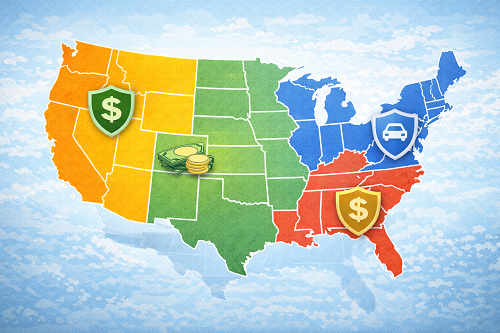
While exact prices vary by individual, national data shows clear regional trends.
Lower-Cost States
States with lower population density and fewer insurance claims tend to have lower SR-22 costs. These often include:
-
Rural or midwestern states
-
States with lower minimum liability limits
-
Regions with less litigation activity
In these states, annual SR-22 insurance premiums for high-risk drivers may fall closer to the lower end of the national range.
Higher-Cost States
States with dense urban populations, high accident rates, or stricter regulations typically have higher costs. These often include:
-
Large metropolitan states
-
States with elevated minimum liability requirements
-
Regions with higher uninsured motorist rates
Drivers in these states may experience significantly higher SR-22 insurance costs due to increased risk exposure.
Key Factors That Influence SR-22 Insurance Cost by State
Beyond location alone, several variables directly impact pricing.
Driving Record
Drivers with DUI convictions, multiple accidents, or repeated insurance lapses face higher premiums regardless of state.
Severity of Violation
The reason SR-22 was required—such as uninsured driving versus an at-fault accident—affects underwriting decisions.
Length of Required Filing
Longer SR-22 filing periods increase overall cost exposure.
Coverage Limits
Higher liability limits result in higher premiums, especially in states with elevated minimum requirements.
Age and Driving Experience
Younger or inexperienced drivers are generally rated at higher risk.
High-Risk Classification and State Rating Models
SR-22 drivers are almost always placed in high-risk insurance pools. States differ in how they regulate high-risk classifications.
Some states allow insurers more flexibility in pricing, while others impose rate caps or require participation in assigned risk programs. These regulatory differences directly affect SR-22 insurance cost by state.
In stricter regulatory environments, premium increases may be moderated, while in more open markets, rates may rise sharply.
Comparing Owner vs Non-Owner SR-22 Insurance Costs
Owner Policies
Drivers who own vehicles must insure the specific vehicle listed on the policy. These policies generally cost more due to property damage exposure.
Non-Owner Policies
Non-owner SR-22 insurance is designed for drivers without vehicles. Because coverage applies only when driving borrowed or rented cars, premiums are typically lower.
For eligible drivers, non-owner policies offer a cost-effective way to meet SR-22 requirements.
How Long-Term Compliance Affects Total Cost
SR-22 requirements typically last one to three years, depending on state law and violation severity. The total cost over time often exceeds the first-year premium.
Drivers who maintain continuous coverage and avoid further violations may see gradual rate improvements, even during the filing period.
Conversely, any lapse resets the compliance clock and significantly increases total cost.
Strategies to Lower SR-22 Insurance Costs
While SR-22 insurance is inherently more expensive, drivers can still take steps to reduce expenses.
Compare Specialized Insurers
Some insurers specialize in high-risk policies and offer more competitive SR-22 rates.
Choose Non-Owner Coverage When Eligible
Drivers without vehicles should consider non-owner SR-22 insurance to reduce premiums.
Maintain Continuous Coverage
Avoiding lapses prevents additional penalties and premium hikes.
Improve Driving Behavior
Completing approved driving courses may qualify drivers for limited discounts in some states.
Opt for Monthly Payment Plans
While slightly more expensive overall, monthly payments help prevent accidental cancellation.
The Cost of Non-Compliance
Failing to maintain SR-22 insurance is far more expensive than complying.
Non-compliance may result in:
-
Automatic license re-suspension
-
Additional reinstatement fees
-
Restarted filing periods
-
Higher future insurance premiums
From a financial perspective, continuous compliance is always the less costly option.
Frequently Asked Questions About SR-22 Insurance Costs
Is SR-22 insurance the same price as SR-22?
No. Pricing depends on state rules and the nature of the violation. Costs may be higher or lower depending on circumstances.
Does the DMV charge for SR-22 filings?
Most filing fees are charged by insurers, not the DMV.
Will my rates drop after the SR-22 period ends?
In many cases, yes—provided no additional violations occur.
Can I shop for better rates during the filing period?
Yes, but switching insurers requires uninterrupted coverage and a new SR-22 filing.
Key Takeaways: SR-22 Insurance Cost by State
-
SR-22 insurance costs vary significantly by state
-
State laws, risk models, and minimum limits drive pricing
-
High-risk classification is the primary cost factor
-
Non-owner policies may reduce expenses
-
Continuous compliance prevents long-term financial damage
Understanding SR-22 insurance cost by state allows drivers to budget effectively, choose the right policy, and remain legally compliant while working toward restored driving freedom.